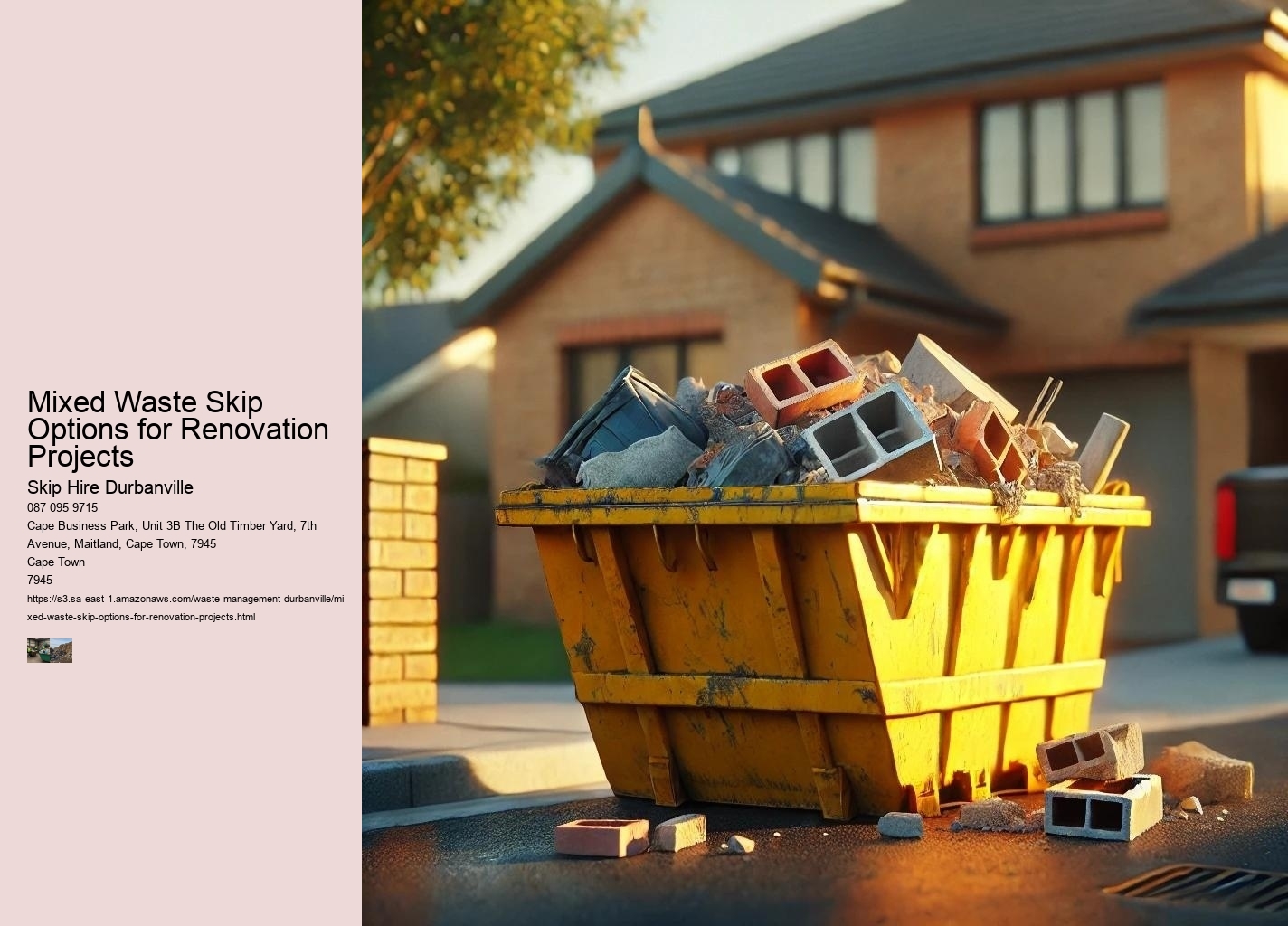
Types of Mixed Waste Accepted in Renovation Skips
When embarking on a renovation project, its crucial to understand the types of mixed waste that can be accepted in renovation skips. This knowledge not only ensures compliance with local regulations but also promotes environmentally responsible practices. Renovation projects often generate a diverse range of waste materials, and utilizing mixed waste skips is an efficient way to handle this debris.
Firstly, lets consider construction debris, a common type of waste during renovations. This category includes materials such as bricks, tiles, concrete, and rubble. These substances are typically heavy and bulky (definitely not something youd want cluttering your workspace!), making them ideal candidates for disposal in mixed waste skips. By including these items in your skip, you streamline the cleanup process and maintain a safe working environment.
Next up are metals, which often accumulate during projects involving structural changes or updates to fixtures. Metals such as steel beams, copper wires, and aluminum siding can all be deposited in mixed waste skips. Many recycling facilities will sort and recycle these metals after collection, contributing positively to environmental conservation efforts.
Additionally, wood waste is another prevalent component of renovation debris. Old furniture pieces, wooden frames from demolished walls, or leftover lumber from new construction phases can all find their place in a mixed waste skip. Wood is generally recyclable or reusable (depending on its condition), so placing it in these skips helps reduce landfill contributions while facilitating sustainable disposal practices.
Moreover, plasterboard or drywall materials frequently arise during renovations focused on interior remodeling. While some areas impose restrictions on the volume of plasterboard allowed in general skips due to its composition (which can emit harmful gases when decomposing), many service providers offer specific guidance or separate compartments within mixed waste skips for safe disposal.
Its important to note that while many materials can be included in mixed waste skips for convenient removal and processing, certain hazardous items must be excluded. For example, chemical substances like paints or solvents require special handling procedures due to their potential environmental impact if improperly disposed of! Always consult with your skip hire provider for advice regarding any questionable items before tossing them into the mix.
In conclusion, understanding the types of mixed waste accepted in renovation skips is essential for ensuring a smooth-running project while adhering to legal requirements and environmental principles. By responsibly managing construction debris (including metals), wood wastes (such as old furniture), drywall remnants (with careful consideration), and avoiding prohibited substances like chemicals-homeowners contribute positively towards sustainable building practices while maintaining an orderly worksite throughout their renovations.
Choosing the Right Skip Size for Your Project
When embarking on a renovation project, one of the most crucial decisions youll face is choosing the right skip size for your mixed waste disposal needs. (Its an often overlooked detail that can significantly impact the efficiency and cost-effectiveness of your project!) Whether youre revamping a single room or undertaking a full-scale home makeover, selecting the appropriate skip size is essential to managing waste effectively and keeping your project on track.
Firstly, consider the scope of your renovation. For smaller projects, such as bathroom or kitchen remodels, a mini skip (typically ranging from 2 to 4 cubic yards) may suffice. These skips are compact yet capable of handling mixed debris like tiles, plasterboard, and small furniture pieces. Theyre perfect for urban settings where space is limited but waste still accumulates quickly.
For mid-sized projects-perhaps youre renovating several rooms or conducting substantial landscaping work-a midi skip (usually between 6 and 8 cubic yards) might be more appropriate. This size offers ample space for heavier materials like bricks, concrete chunks, and larger furniture items while still fitting comfortably on most properties without requiring special permits.
Larger renovations or complete home overhauls demand even more capacity. In such cases, opting for a builders skip (often around 10 to 12 cubic yards) could be the best choice. These skips can accommodate significant quantities of mixed waste from demolition activities, including timber beams and metal fixtures.
While estimating the volume of waste may seem straightforward, it's essential to remember that underestimating can lead to additional costs and delays if you need to order extra skips later on. Conversely, overestimating can result in unnecessary expenses for unused capacity.
Moreover, sustainability should factor into your decision. Many waste management companies offer recycling services that require you to sort materials appropriately before disposal. Ensure your chosen skip provider supports this initiative by offering guidance on segregating recyclable items from general rubble.
In conclusion, selecting the right skip size involves weighing various factors-including project scale, available space (and environmental considerations). By taking these elements into account and consulting with reputable waste management professionals if needed, you can streamline your renovation process efficiently while minimizing environmental impact-all with just one well-chosen container!
Cost Considerations and Budgeting for Skip Hire
When embarking on a renovation project, one of the critical aspects to consider is waste management, specifically through skip hire for mixed waste. Proper budgeting and cost considerations play an essential role in ensuring that this process does not become a financial burden.
Firstly, its important to understand the various types of skips available for hire. Mixed waste skips are particularly beneficial for renovation projects due to their versatility. They can accommodate different types of waste materials - from construction debris like bricks and concrete to more general household waste such as old furniture or appliances (its quite handy!). However, this convenience comes with its own set of costs.
The first factor influencing cost is the size of the skip. Skips come in various sizes, ranging from mini-skips suitable for small-scale renovations to large builders skips designed for extensive projects. Selecting the appropriate size is crucial; hiring too small a skip may lead you to incur additional charges for overfilling or require renting an extra skip, while choosing one thats unnecessarily large could mean paying for unused space.
Another consideration is the duration of the hire period. Most companies offer flexible rental periods, but extending beyond the agreed timeframe typically incurs extra fees. It's advisable to plan your renovation timeline meticulously, ensuring that you only pay for what you need.
Location also plays a significant role in determining costs. Skip hire prices can vary widely depending on your geographical area due to factors like local landfill charges and competition among service providers. Urban areas often have higher rates compared to rural locations due to increased demand and disposal fees.
Additionally, some companies might charge more if permits are required when placing skips on public roads (this adds another layer of complexity). Its important to check with local authorities whether a permit is needed and factor these potential costs into your budget.
Environmental regulations can also affect pricing. Many regions impose taxes on landfill use or require sorting of recyclable materials from mixed waste before disposal - both of which can add expenses but are crucial steps towards sustainable waste management practices.
To optimize your budget effectively, it's wise to compare quotes from multiple skip hire companies while considering their reputation and service quality alongside price offerings. A slightly higher upfront cost may be justified by superior customer service or more comprehensive recycling commitments.
In conclusion, while hiring a mixed-waste skip offers practical benefits during renovation projects, thoughtful cost considerations and careful budgeting are key components in managing expenses efficiently. By selecting the right-sized skip within an appropriate timeframe and being mindful of location-related variables as well as regulatory requirements, you can achieve effective waste management without straining your finances!
Environmental Impact and Regulations for Renovation Waste Disposal
When embarking on renovation projects, the issue of waste disposal often looms large, not just in terms of logistics but also due to environmental impact and regulatory compliance. Mixed waste skip options present a practical solution for managing diverse renovation debris, yet they come with their own set of challenges and considerations.
Environmental regulations (which vary by region) play a crucial role in dictating how mixed waste from renovations should be handled. These regulations are designed to minimize harmful effects on the environment by ensuring that waste is disposed of safely and sustainably. For instance, many jurisdictions require that hazardous materials like asbestos or lead-based paint be separated from general construction debris to prevent contamination. Ignoring such guidelines can result in severe penalties!
The environmental impact of improper renovation waste disposal is significant. Construction and demolition activities contribute substantially to landfill mass, which not only occupies valuable space but also poses long-term ecological risks. Decomposing materials can release toxins into the soil and groundwater, while improperly managed debris may contribute to air pollution through dust and particulate matter.
Mixed waste skips offer a convenient solution by allowing various types of renovation refuse-such as wood, metal, plaster, and plastic-to be collected together. However, it is essential to follow strict sorting procedures at the disposal facility to ensure recyclable materials are recovered efficiently (thereby reducing landfill contributions). This process underscores the importance of choosing reputable skip hire companies that comply with local laws and prioritize environmentally responsible practices.
Moreover, using mixed waste skips aligns with broader sustainability goals by potentially lowering the carbon footprint associated with multiple trips for different types of waste collection. By consolidating transport efforts into fewer journeys (thanks to these versatile skips), emissions from vehicles can be reduced-a small yet meaningful step toward greener renovations.
In conclusion, while mixed waste skips offer a streamlined approach for handling renovation detritus, it is vital to remain cognizant of environmental impacts and adhere strictly to regulations governing their use. Only through diligent compliance and eco-conscious decision-making can we hope to mitigate the detrimental effects of construction activities on our planets well-being.


