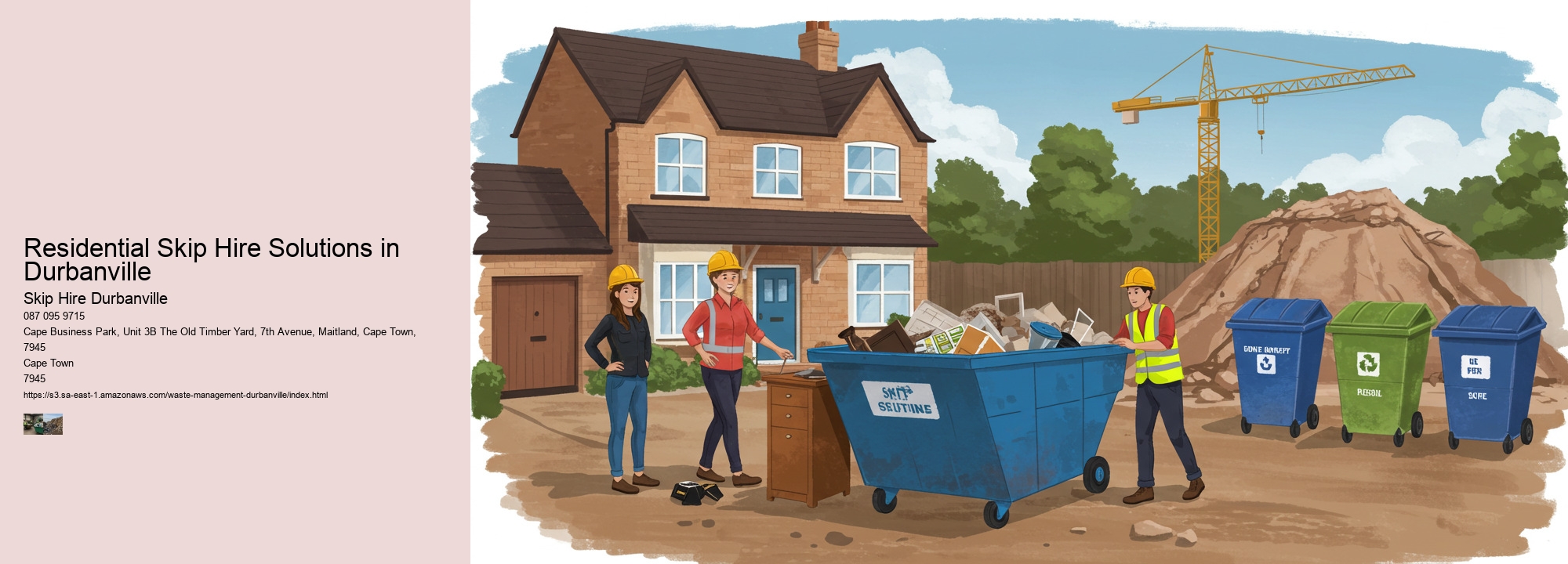
When it comes to residential skip hire solutions in Durbanville, understanding the types of skips available can make a significant difference in managing your waste efficiently. Whether youre undertaking a home renovation, clearing out the garage, or simply decluttering, choosing the right skip is essential for both convenience and cost-effectiveness.
Firstly, mini skips are an excellent choice for small-scale projects (think spring cleaning or minor garden work). These compact skips typically range from 2 to 3 cubic meters and are perfect if you need to dispose of limited amounts of waste without taking up too much space on your property. Their smaller size also means theyre easier to place in tight spots, making them a versatile option for urban areas.
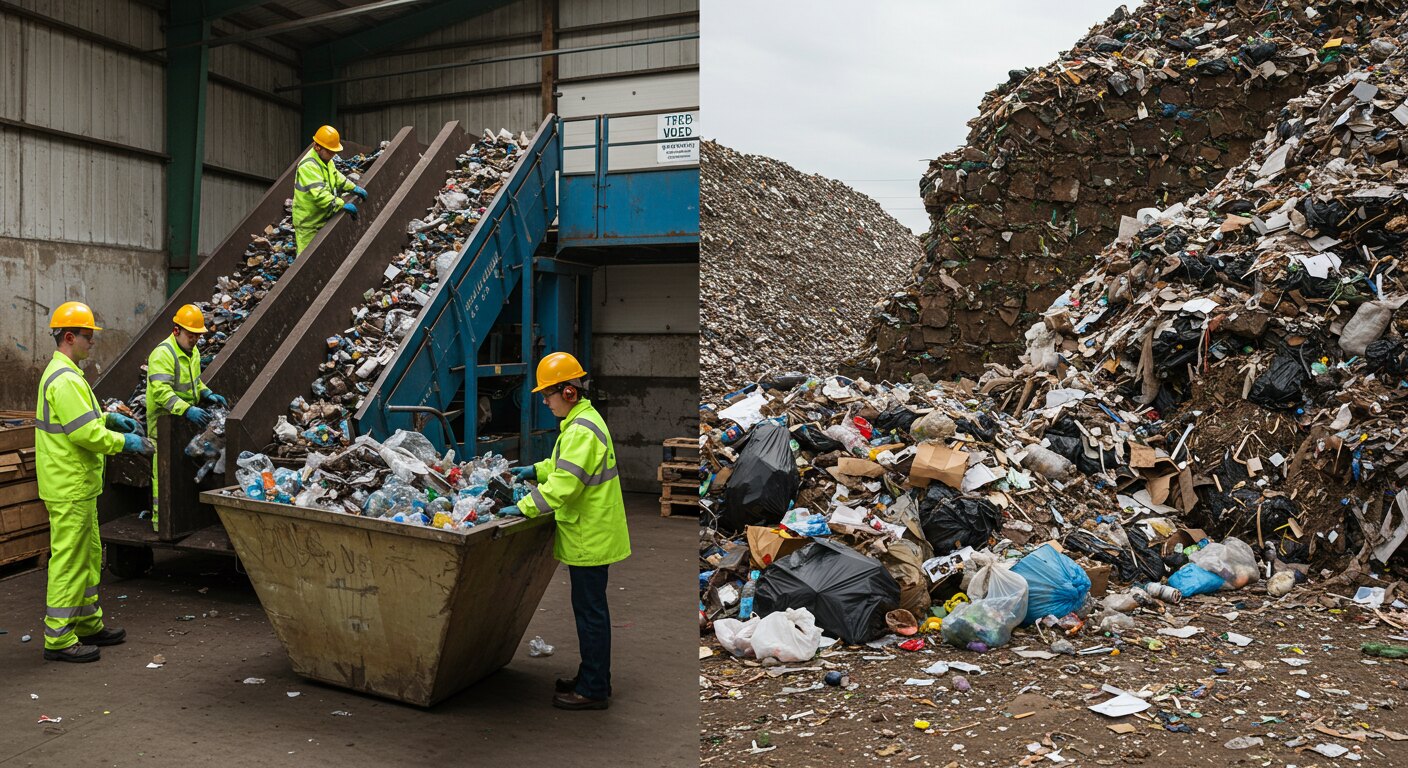
For medium-sized projects, midi skips offer a bit more room (usually between 4 to 5 cubic meters). They are ideal if youre tackling slightly larger tasks like bathroom refurbishments or disposing of old furniture. Midi skips provide ample space while still being manageable enough not to overwhelm your driveway.
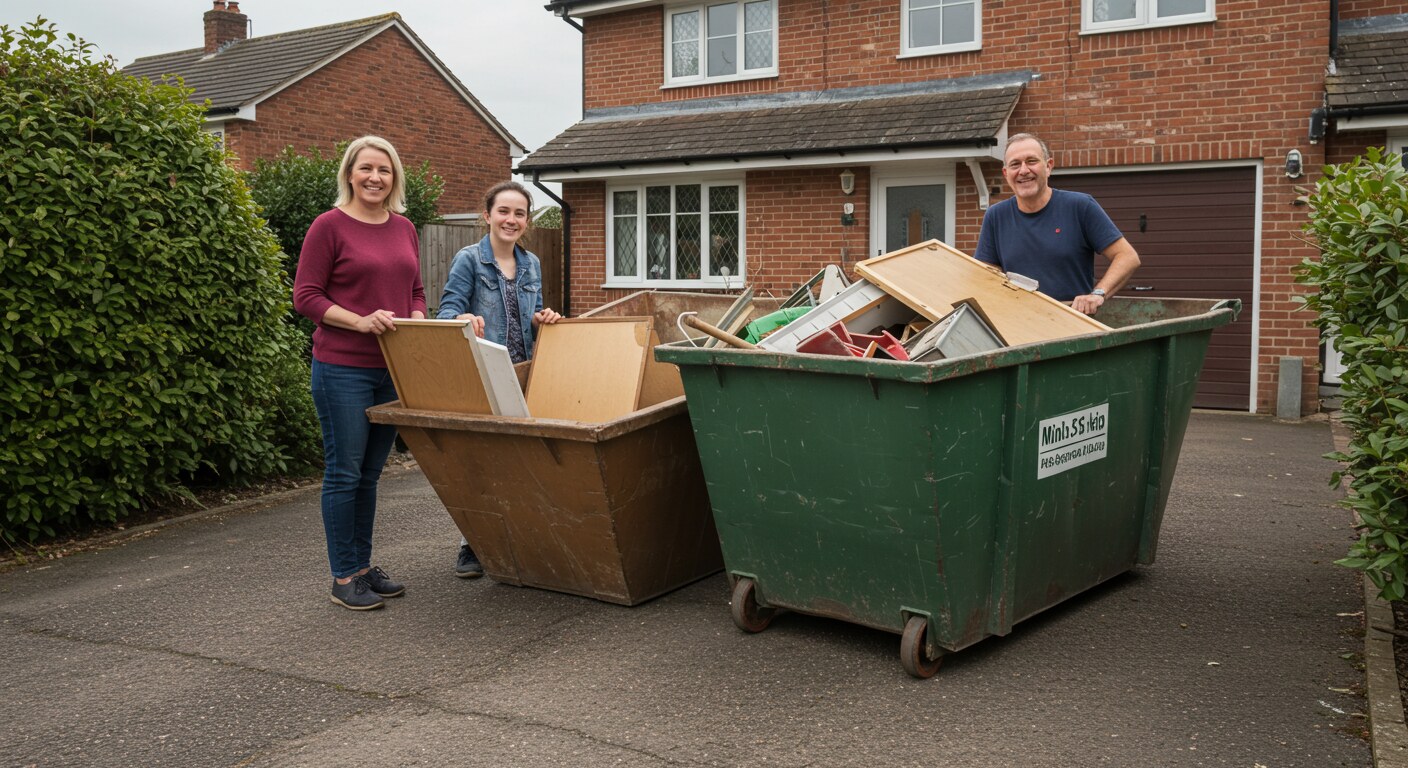
When dealing with substantial renovations or large clearouts, maxi skips come into play. These hefty containers (ranging from 6 to 8 cubic meters) can handle bulky items and larger volumes of waste. Theyre designed for those times when youre overhauling your living space or even performing a complete landscaping overhaul. Its essential to ensure theres enough room on your premises for these bigger bins since they require more space than their smaller counterparts.
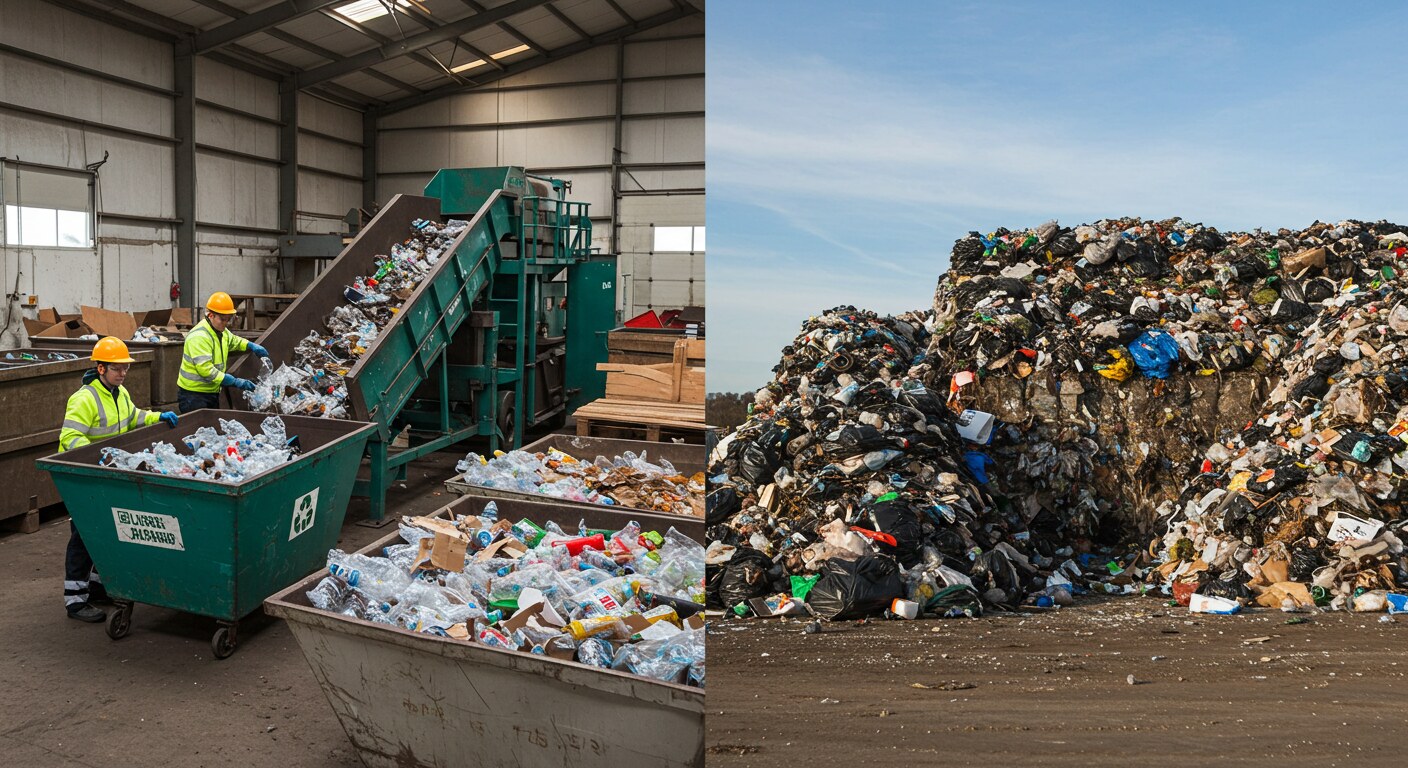
For even larger requirements, builders skips offer capacities up to around 12 cubic meters! Though primarily used in construction sites, they can be beneficial for extensive home improvement projects that generate massive amounts of debris and waste materials.
Lastly, specialized skip options such as enclosed skips provide added security and protection against weather conditions or unauthorized access. These are particularly useful if you have sensitive materials that need safeguarding during disposal.
In conclusion, selecting the appropriate type of skip depends largely on the scale and nature of your project. By understanding these various options available in Durbanvilles residential skip hire market, homeowners can ensure efficient waste management tailored to their specific needs. With so many choices at hand, getting rid of unwanted materials has never been easier-making way for cleaner homes and happier lives!
When it comes to managing waste for residential projects in Durbanville, employing a local skip hire service presents numerous advantages that can significantly ease the process. One of the primary benefits is convenience. A local skip hire company operates within your community, which means they are likely familiar with your area and can deliver and collect skips promptly (making life a lot easier when youre juggling multiple tasks). This ensures that your waste disposal needs are met efficiently and without unnecessary delays.
Another significant advantage is cost-effectiveness. Local companies often have competitive pricing due to reduced transportation costs, as they do not need to travel long distances to reach you. Additionally, they may offer more flexible rental periods tailored to suit your project timeline, ensuring you only pay for what you need. Supporting local businesses also helps boost the economy in Durbanville, contributing to job creation and community development.
Environmental responsibility is another key benefit of using a local skip hire service. These companies are usually more attuned to regional regulations and recycling practices, ensuring that your waste is disposed of in an eco-friendly manner. By choosing a local provider who prioritizes sustainability, you play an active role in reducing the carbon footprint associated with waste management!
Moreover, personalized customer service is almost guaranteed when dealing with a local business. Local skip hire providers tend to offer more personalized attention compared to larger national chains, meaning theyre more likely to accommodate specific requests or handle any issues swiftly and effectively. This level of customer care ensures a smoother experience throughout your project.
In summary, opting for a local skip hire service in Durbanville offers convenience, affordability, environmental benefits, and exceptional customer service-all contributing factors that make this choice advantageous for residents undertaking various residential projects. Whether youre clearing out clutter or managing construction debris, utilizing a trusted local provider ensures that the task at hand becomes one less thing to worry about!
When considering the disposal of waste, many people turn to skip hire as a convenient and practical solution.. However, the cost of hiring a skip can vary significantly depending on several factors.
Posted by on 2025-05-13

Affordable Skip Hire Options for Garden Refuse In todays fast-paced world, maintaining a garden can be both a rewarding and challenging endeavor.. As any green-thumbed enthusiast will tell you, managing garden refuse is one of the less glamorous yet essential aspects of gardening.
Posted by on 2025-05-13

In todays rapidly evolving world, the convenience and efficiency of payment methods have become pivotal in shaping consumer experiences across various industries.. One such industry is skip hire, where businesses offer temporary rentals of large waste containers for residential and commercial use.
Posted by on 2025-05-13
When it comes to residential projects in Durbanville, choosing the right skip size is crucial for efficient waste management. Whether youre renovating your home, clearing out the garden, or undertaking a small construction project, selecting an appropriately sized skip can save you both time and money (not to mention a few headaches along the way).
First and foremost, consider the scope of your project. Are you simply decluttering, or are you demolishing a significant portion of your property? For minor tasks like garage cleanouts or garden waste removal, a mini skip, which typically holds around 2 cubic meters of waste, may suffice. On the other hand, larger undertakings such as full-scale renovations might require a midi or even a maxi skip (these can hold from 4 to 10 cubic meters of waste).
Another important factor is the type of material youll be disposing of. Heavier materials like bricks and soil take up less volume but weigh more compared to lighter items such as packaging materials or household debris. If your project involves heavy materials, its advisable to opt for a smaller skip with higher weight capacity rather than focusing solely on volume.
Additionally, consider space constraints on your property. While it might be tempting to get the largest skip available to avoid multiple trips (who wants that hassle?), ensure you have ample space for delivery and collection operations. It's always wise to measure available space in advance and discuss any access concerns with your skip hire provider.
Budget also plays a role in determining the appropriate skip size. Larger skips naturally cost more due to their capacity; however, overestimating your needs can lead to unnecessary expenses. Conversely, underestimating could mean hiring additional skips later on-resulting in added costs! Therefore, accurately assessing the amount and type of waste beforehand will help strike that balance between size and budget.
Lastly, consult with local experts who understand Durbanvilles specific regulations regarding waste disposal. They can offer valuable insights into what works best within community guidelines while ensuring environmentally responsible practices are upheld.
In conclusion (and heres where that exclamation mark comes into play!), taking time at the start of your project to choose the right skip size will make your experience smoother and more cost-effective. Its all about planning ahead-so take stock of what you need cleared away before diving headfirst into hiring services!
When considering residential skip hire solutions in Durbanville, understanding the cost factors involved is crucial for making an informed decision. Skip hire services offer a convenient way to dispose of waste, but the prices can vary significantly depending on several key elements.
Firstly, the size of the skip plays a major role in determining the cost. Skips come in various sizes, ranging from mini skips suitable for small home projects to larger ones that can handle substantial amounts of waste. Naturally, larger skips are more expensive due to their capacity (but they also provide better value when dealing with extensive waste).
Secondly, the type of waste being disposed of influences the pricing structure. Different materials incur different disposal fees because of environmental regulations and recycling possibilities. For instance, disposing of hazardous or mixed waste typically costs more than standard household debris due to the extra handling and processing required.
The duration for which you need the skip also impacts costs. Most services offer flexible rental periods ranging from a few days to several weeks. Generally, longer rental periods come with higher charges; however, some companies provide discounts for extended hires as part of their customer satisfaction strategy.
Moreover, location is another factor affecting skip hire costs in Durbanville. The transportation distance between your residence and the service provider's facility can add to expenses since fuel consumption and logistical arrangements must be considered (especially if youre situated in a remote area).
Its also worth noting any additional services offered by skip hire companies that might influence pricing. Many providers include options such as permits for placing skips on public land or same-day delivery and collection services. While these add-ons enhance convenience, they often come at an extra cost.
Lastly, seasonal demand fluctuations can affect skip hire rates! During peak times like spring cleaning or post-holiday periods, prices may increase due to heightened demand for waste disposal solutions.
In conclusion, when planning to use residential skip hire services in Durbanville, its essential to consider various cost factors including size, type of waste, rental duration, location-related logistics, optional services provided by companies, and seasonal trends. By doing so (and choosing wisely), homeowners can manage their budgets effectively while ensuring efficient waste management solutions tailored to their specific needs.
 |
This article contains promotional content. (January 2024)
|
 |
This article needs additional citations for verification. (March 2013)
|
|
|
This article has multiple issues. Please help improve it or discuss these issues on the talk page. (Learn how and when to remove these messages)
|

A skip (British English, Australian English, Hiberno-English and New Zealand English), or skip bin, is a large open-topped waste container designed for loading onto a special type of lorry called a skip truck. Typically, skip bins have a distinctive shape: the longitudinal cross-section of the skip bin is either a trapezium or two stacked trapezia. The lower trapezium has the smaller edge at the bottom of the skip bin, and a longer edge at the top. The smaller edge on either end is lower which makes it easier to load. Where there is an upper trapezium, it has the smaller edge at the top. There is a sloping floor or wall at each end. There are usually two lugs on each side of the bin onto which chains can be attached, permitting the heavy skip to be lifted onto and off a skip lorry or skip truck. A special skip-carrying lorry or crane is used.
One end of the skip sometimes has a large door that hinges down to allow manual loading and unloading, these skips are called 'drop-door skips'. Skips are usually durable and tough, made to withstand rough use by tradespeople and labourers. The size of skip bins can vary greatly depending on their use, with sizes ranging from small 2 m mini-skips to the very large 40 m roll-on/roll-off skips. Even though these large bins can store many tons of waste, most lorries are limited to carrying around 7.5 tons of material in the container.
A typical small skip, when empty, weighs about 187 kg. There is no clear answer as to who invented the skip, many names have been credited with its invention but as yet none are founded.
There are several types of skip containers:
Skips are commonly used to hold open-topped loads of construction and demolition waste, garden waste or other waste and litter types. The construction debris may originate from a building, renovation, or demolition site; building supplies can be delivered to a site in a skip that is later used to remove waste. Skips are also used for various cleaning-out jobs that need much material to be taken away, and at factories producing large quantities of scrap metal. The material in the skip may be taken to a landfill, recycled or recovered/disposed of in some other way. There are wide range of uses of skip bins including construction building, home renovations, handyman maintenance or repair projects, garden or green clean up.
Skip hire companies typically print 'level fill' on the sides of skips to instruct users that the contents should not fill or have contents showing above the height of the sides of the skip. This is a safety requirement, enforced by the DVSA, to ensure that the skip is safe for transportation. If the content overtops the skip, it may slip off during transport and become dangerous. Many tradesmen and builders will make use of what are termed 'greedy boards', old doors and other scrap sheet based material, to artificially heighten the sides of the skip and thus get more value for money out of their skip hire. If they do that, the skip bin hire provider will charge them an extra fee as the skip will be classed as overloaded.
2 m – miniature skip
4 m – medium skip
3 m3
6 m – builders skip
5 m3
8 m – large builders skip
6 m3
Refrigerators and other white goods can be put in skip bins, as long as they have been degassed and the doors are removed. However it is better to take white goods to a dedicated recycling facility, as they take up significant room in a skip bin.
Plasterboard is also prohibited, as it can contaminate the entire contents of the skip. Sometimes, with permission, small quantities of plasterboard are permitted by skip hire companies if placed on top of the skip and wrapped to prevent contamination.
In the event that the waste management company discovers prohibited waste in a skip bin that has been collected, the bin may be taken back to the customer for them to sort out the waste, or the hazardous waste may be disposed of at a different, specialist site at the cost of the customer.
The origins of calling a rubbish cart a skip (most often found in Australia, New Zealand and the UK) come from the word skep, used to refer to a basket.[1] Skep itself comes from the Late Old English sceppe, from the Old Norse skeppa 'basket'.[2] While the first recorded use of a rubbish skip dates back to 1922, the practice of using skips to dispose of residential and commercial waste became mainstream over the following century, culminating in the modern skip waste disposal system that is used today.